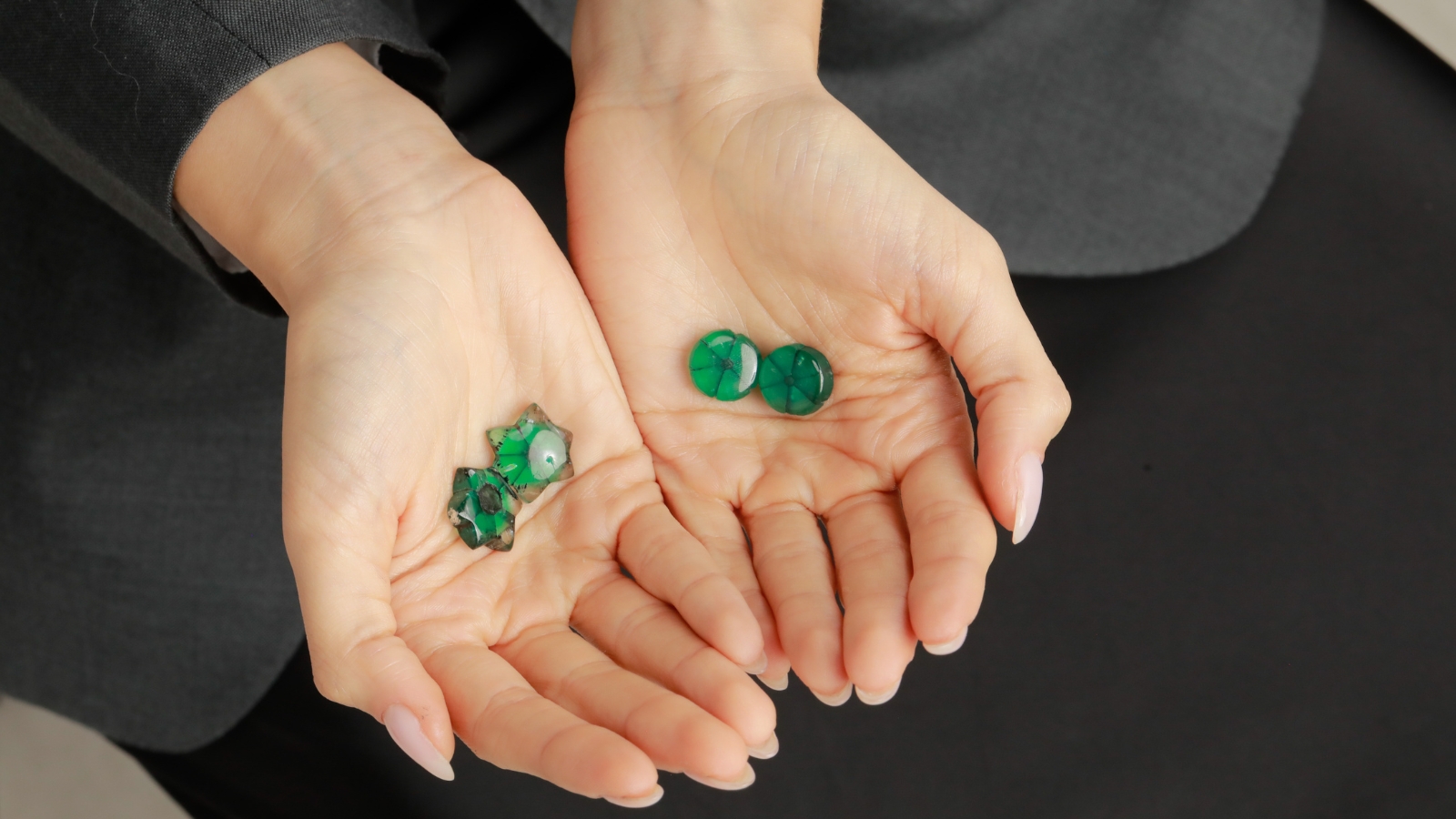
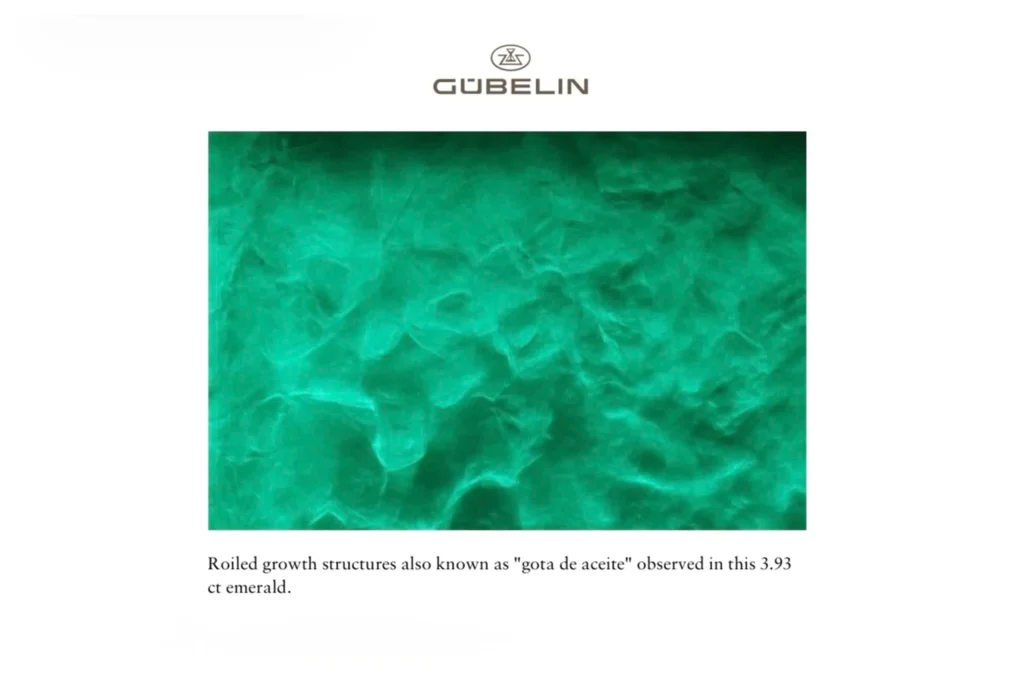
Among the many characteristics associated with Colombian emeralds, few have acquired the reputation of Gota de Aceite. The Spanish expression, which literally means “drop of oil,” describes a rare optical effect that gives some emeralds an unusually soft, velvety appearance. When the stone is moved under light, its internal texture can appear almost fluid, with less abrupt transitions between bright and dark areas. The name can be misleading. Gota de Aceite has nothing to do with the oil traditionally used to clarity-enhance emeralds. It is a natural phenomenon related to the internal growth structure of the crystal, formed long before the emerald was mined, cut or polished. The effect has been particularly associated with fine Colombian emeralds and, historically, with stones from the Muzo region.
What Is Gota de Aceite and What Causes the Effect?
The internal world of an emerald is an important part of its identity. Colombian emeralds can contain crystals of pyrite, carbonates and other minerals, as well as fluid inclusions formed during crystal growth. Among the most familiar are three-phase inclusions containing liquid, a gas bubble and a small cubic crystal, usually halite or sylvite. Together, these internal features form what is traditionally known as the jardin, or garden, of an emerald.
Gota de Aceite, however, is not an inclusion in the conventional sense. Early explanations linked the effect to microscopic mineral inclusions, but later gemological research showed that it originates from irregularities formed during the growth of the emerald itself. These microscopic structures can develop at different stages of crystallization and later become covered by further emerald growth.
When light passes through these structures, it is slightly scattered, producing the characteristic soft appearance of Gota de Aceite. The emerald remains transparent, but the contrast between brighter and darker areas becomes less pronounced, giving the stone its distinctive velvety texture.
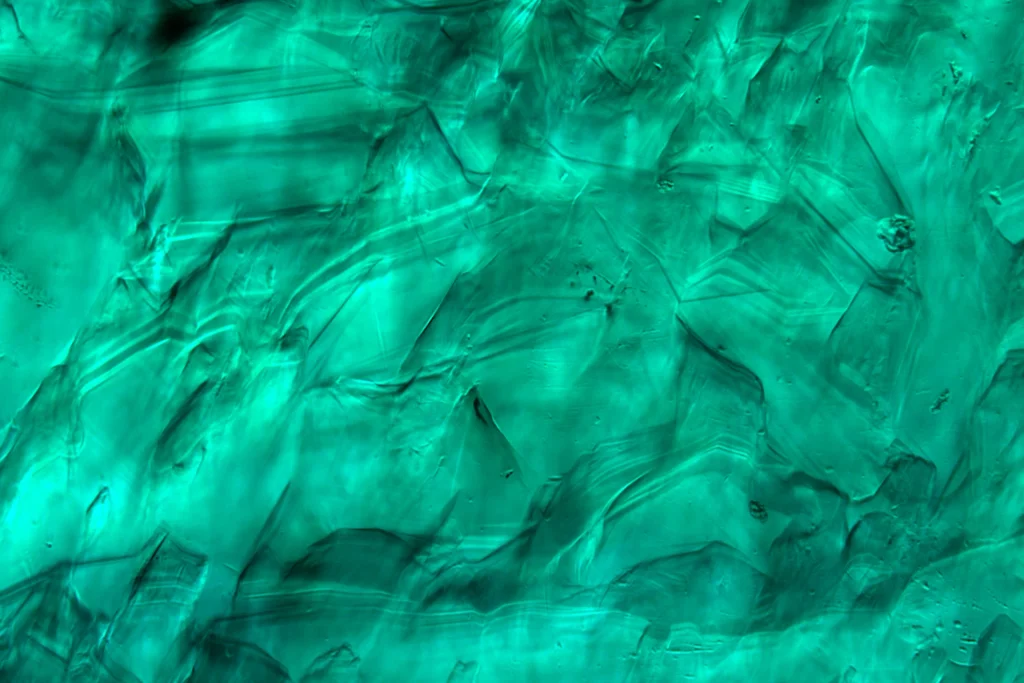
This is why Gota de Aceite is often easier to appreciate in person than in a photograph. As the emerald is slowly tilted under light, the effect changes with the viewing angle and, in pronounced examples, can appear to move through the stone.
Gota de Aceite and Colombian Emeralds
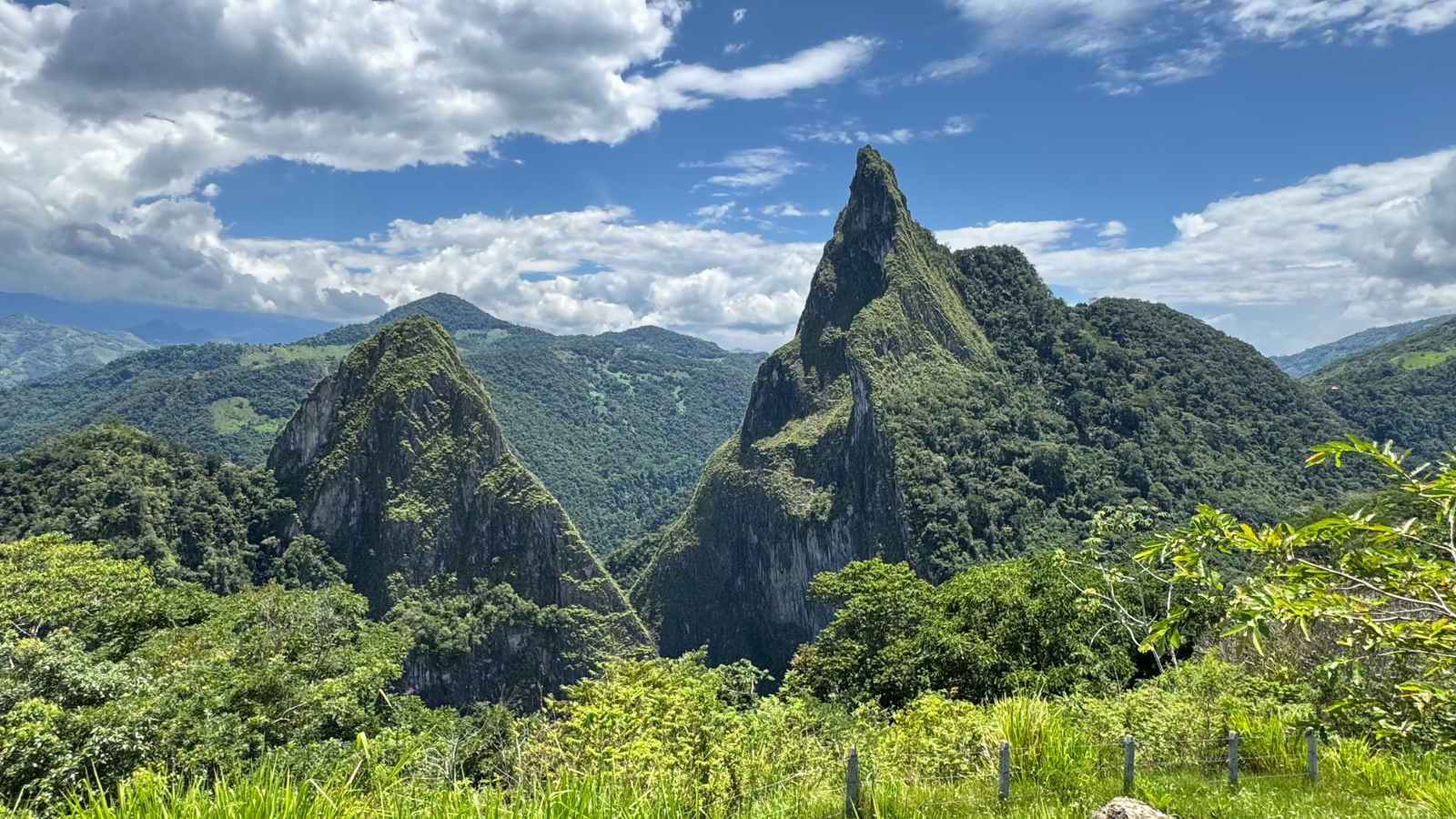
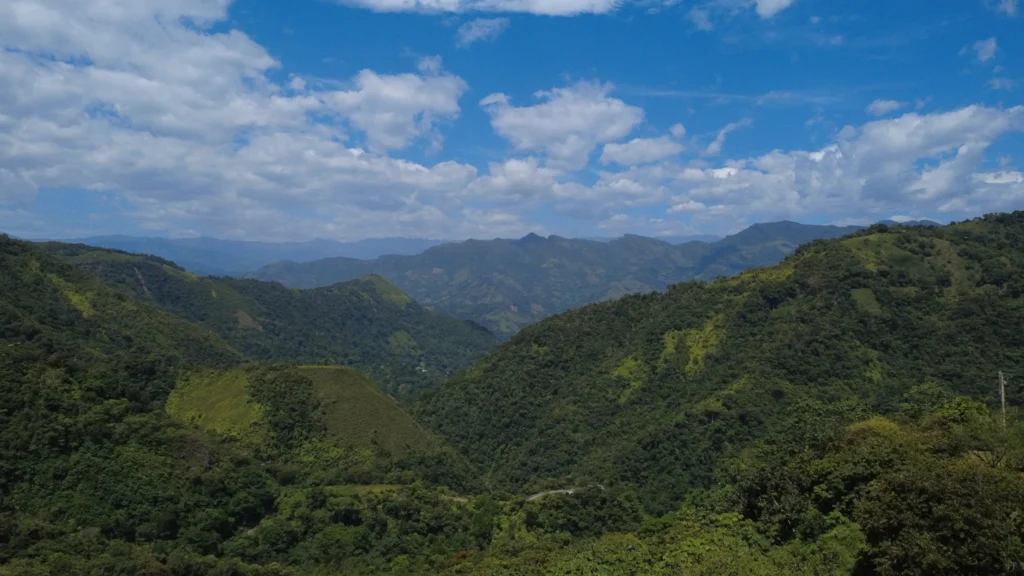
The history of Gota de Aceite is closely linked to Colombia. The phenomenon has been observed particularly in emeralds from the country’s western emerald belt, with Muzo being the locality most frequently associated with it. Examples have also been reported from Coscuez and Peñas Blancas. These deposits belong to the extraordinary geological environment that has made Colombia one of the world’s historic sources of fine emeralds.
Colombian emeralds formed under conditions that differ from those of many other major emerald deposits. In the western and eastern emerald belts of the Colombian Andes, mineralizing hydrothermal fluids interacted with sedimentary rocks, particularly black shales. This unusual geological history is reflected in the chemistry and internal characteristics of the resulting emeralds.
For gemologists, these internal features can provide important information about geographic origin. Gota de Aceite is strongly associated with Colombian material, but it should not be regarded as proof of Colombian origin on its own. Similar growth phenomena have occasionally been reported in emeralds from other sources. Modern origin determination therefore relies on a combination of microscopic observation, chemical composition and spectroscopic analysis, together with comparison against reference material.
The same caution applies to other characteristics commonly associated with Colombian emeralds. Three-phase inclusions, for example, are particularly characteristic of Colombian material but are not in themselves an absolute geographic signature. For an important emerald, origin is best established through examination by an experienced gemological laboratory. This distinction is important because Gota de Aceite has gradually become more than a gemological expression. In the emerald trade, it can carry a strong commercial meaning, and that makes precise use of the term even more important.
How Rare Is Gota de Aceite and How Is It Identified?
There is no precise statistic for the occurrence of Gota de Aceite. In a 2008 study published in Gems & Gemology, Ronald Ringsrud reported encountering an unmistakable example in approximately one out of every thousand fine emeralds he examined. This was based on personal observation rather than Colombian production data, but it illustrates the rarity of clearly recognizable examples.
Ringsrud described three levels of the phenomenon: muted, moderate and distinct. In pronounced examples, the characteristic texture can be visible to the unaided eye as the emerald is moved under light. Magnification helps identify the associated growth structures and distinguish them from fluid inclusions or other internal features that may produce a superficially similar appearance.
Gota de Aceite should also not be confused with clarity enhancement. An emerald may display the phenomenon whether or not oil is present in surface-reaching fissures; the two characteristics are independent.
Does Gota de Aceite Make an Emerald More Valuable?
Among collectors and specialists, a well-defined Gota de Aceite effect can add to the appeal of a fine emerald. Its rarity, association with Colombian emeralds and distinctive velvety appearance make pronounced examples particularly sought after.
However, Gota de Aceite is only one aspect of an emerald’s quality. Color, transparency, size, cut, origin and the degree of clarity enhancement remain fundamental. When combined with exceptional overall quality, the phenomenon can add another layer of rarity and desirability to an already important stone.
This combination of rarity, quality and collector interest can also make exceptional Gota de Aceite emeralds particularly relevant when considering Colombian emeralds from an investment perspective.
INVESTMENT GRADE EMERALDS
Discover our selection of exceptional Colombian emeralds.
Explore a curated selection of high-quality Colombian emeralds chosen for their rarity, origin and exceptional characteristics.
View the Selection